English

Views: 0 Author: Site Editor Publish Time: 2026-01-27 Origin: Site


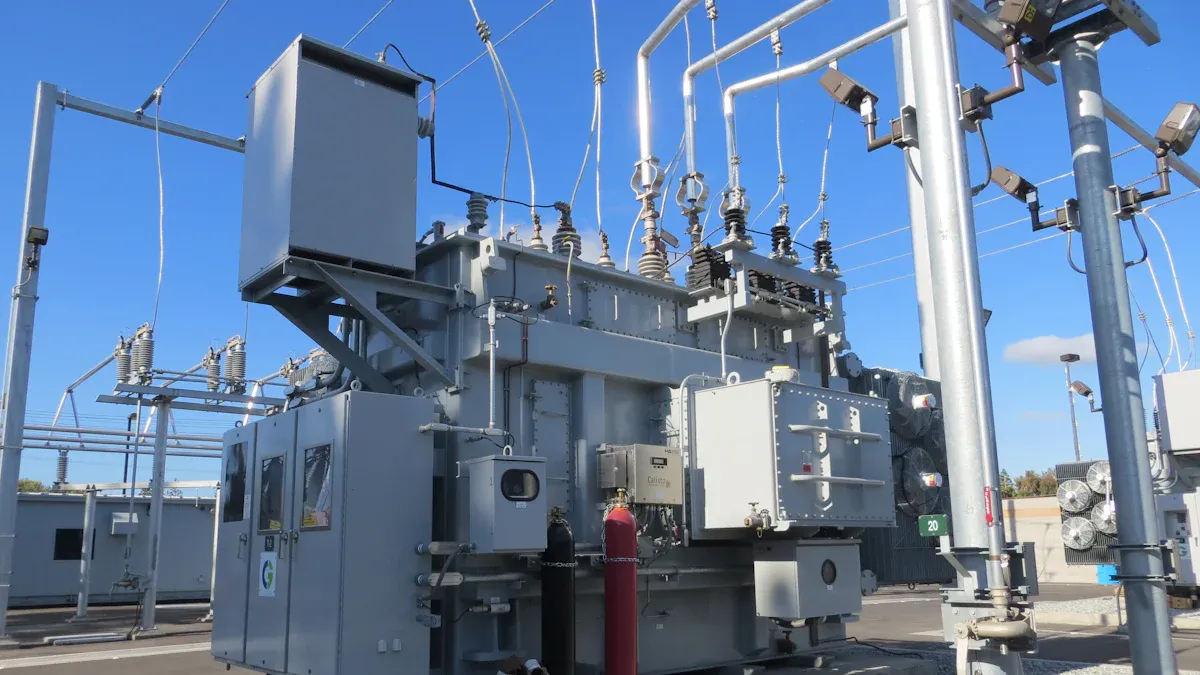
You need steady power every day. The oil-immersed transformer is very important. It helps electricity get to homes and stores without stopping. Its special parts keep the system safe and working well.
Insulation and cooling help stop things from getting too hot. They also help prevent electrical trouble.
Good cooling helps parts last longer. It also lowers the chance of things breaking.
New closed designs and strong seals make these transformers even better. When you think about power, these things help keep service steady. They also mean less fixing is needed.
Oil-immersed transformers help keep power steady. They control voltage and current in power networks.
Checking transformers often and testing oil is important. This keeps them working well and stops expensive problems.
Sealed designs keep water, dust, and chemicals out. This helps transformers last longer and work better.
Special cooling in oil-immersed transformers stops them from getting too hot. This keeps them safe, even when working hard.
Picking the right transformer type and size is important. It can make things work better and lower repair costs.
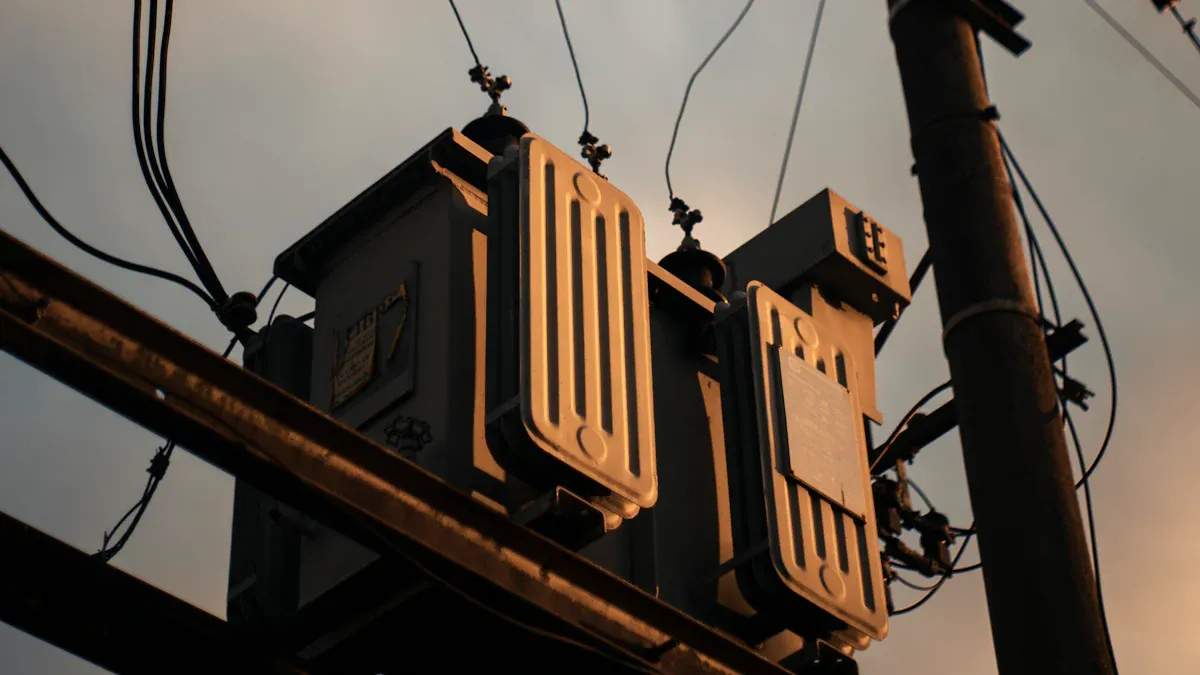
You can find oil-immersed transformers in many power stations. They are also in substations. This device has a special design. It helps electricity move safely and works well. The main parts work together to change voltage. They also protect the system. Here is a table that lists the important parts and what they do:
Component | Function |
|---|---|
Core (Magnetic Circuit) | Guides alternating magnetic flux; made of silicon steel laminations for low losses. |
Windings (Primary & Secondary Coils) | Responsible for voltage conversion through electromagnetic induction. |
Transformer Oil & Oil Tank | Houses core and windings; provides sealed environment and supports heat dissipation. |
Tap Changer | Adjusts output voltage to match grid fluctuations. |
Bushings | Provides high-voltage insulation for conductors passing through the tank wall. |
Protection & Monitoring Devices | Ensures safe operation by detecting faults and monitoring conditions. |
Transformer oil is inside the oil tank. This oil cools the core and windings. It also keeps them safe from electrical problems. The oil-filled transformer uses mineral oil. This oil can handle high heat and does not catch fire easily. The tap changer lets you change the voltage. This helps match what the power grid needs. Protection devices help you find problems early. They keep the system safe.
If you look at an oil-immersed transformer and a dry-type transformer, you see some differences. The table below shows these differences:
Transformer Type | Efficiency | Safety |
|---|---|---|
Oil-immersed | Higher efficiency due to better cooling | Risk of oil leaks and fire hazards outdoors |
Dry-type | Lower efficiency, relies on air/resin | Safer for indoor use, no flammable liquids |
Oil-immersed transformers help keep voltage and current steady. They do this across big power networks. These transformers help with heavy loads. They also handle sudden changes in power use. The transformer oil cools and insulates the system. This helps the transformer work in tough places. You get better overload ability and strong protection from electrical problems.
Oil-filled transformers keep working even if the grid changes fast.
You use them outside because they work well in bad weather.
Utilities and factories need them for high power needs.
You also lose less power when sending electricity. The oil takes in heat and keeps the transformer cool. This cooling stops overheating and electrical trouble. The transformer lasts longer and works better, even with heavy use.
Tip: Check your transformer often and test the oil. This helps your oil-immersed transformer work its best.
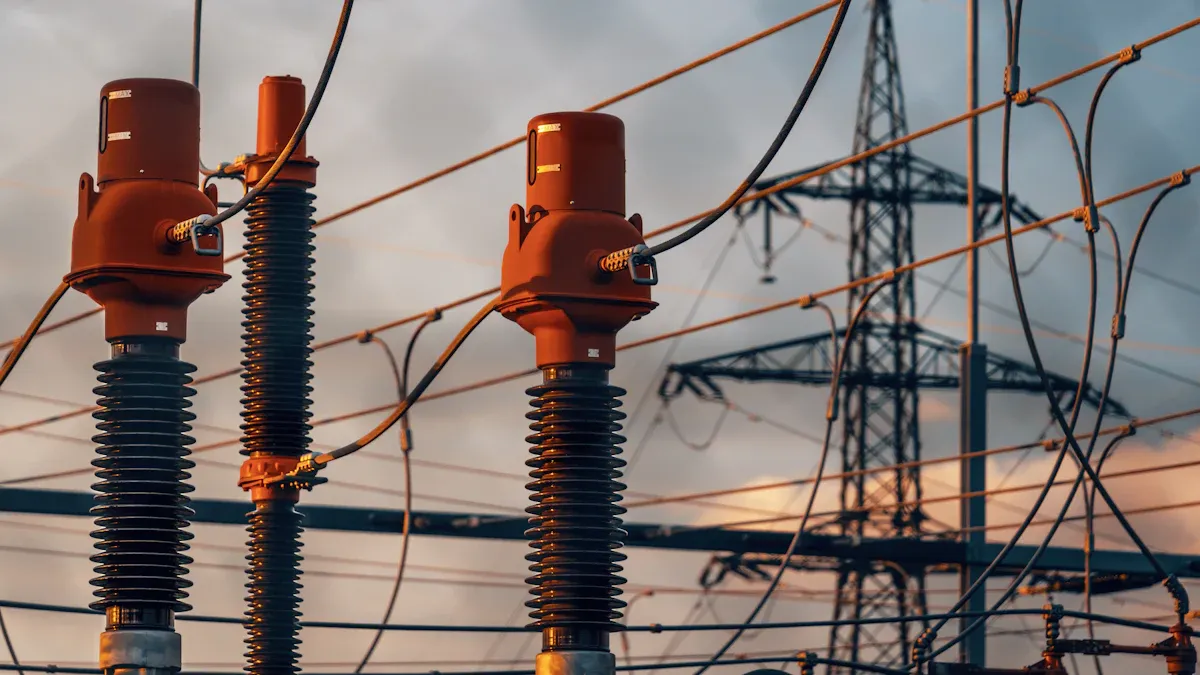
Strong insulation and cooling are needed for safe power. The oil-immersed transformer uses special materials to protect its parts. These materials help stop electrical problems and keep the transformer cool.
Diamond Dotted Paper makes the transformer stronger and safer.
Oil Duct Strip lets the liquid move, which helps with cooling.
Electrical Polyester Shrinkable Tape keeps out water and adds insulation.
Electrical Cloth Tape protects against rubbing and shaking.
Unidirectional Binding Tape holds the windings in place.
Electric Insulation Phenolic Bakelite Paper Board keeps insulation strong.
Densified Laminated Wood adds insulation and strength.
Phenolic Paper Tube stands up to water and gives support.
Crepe Paper bends easily and blocks electricity well.
Cable Paper covers wires and connections.
The cooling medium is a special liquid. This liquid moves around the core and windings. It takes away heat. There are different ways to cool oil-immersed transformers. Here is a table that shows the main types:
Cooling Method | Oil Circulation | External Cooling | Best Suited For |
|---|---|---|---|
ONAN | Natural | Natural Air | Small to medium transformers |
ONAF | Natural | Forced Air | Medium to large transformers |
OFWF | Forced | Forced Water | Large, high-power transformers |
The cooling system works by moving the liquid through the transformer. The liquid picks up heat and sends it outside to cool down. Forced air or water helps the transformer handle more power. This cooling helps the transformer last longer and work better, even with heavy use.
Tip: Good cooling keeps your transformer safe when you use a lot of power and helps stop breakdowns.
You want your transformer to last a long time, even in tough places. A sealed and corrosion-resistant design keeps the inside safe from water, dust, and chemicals. This is a key feature of oil-immersed transformer systems. The insulating liquid stays clean because the sealed tank blocks out harmful things.
Evidence Type | Description |
|---|---|
Robust Reliability | Hermetically sealed tanks protect against water, dust, and chemicals. This lowers the risk of short circuits and failures in wet or dirty places. |
Effective Insulation Protection | The oil acts as a barrier. It shields the windings from water and air, slowing down damage and making the transformer last longer. |
Sealing Integrity Checks | Regular checks make sure the tank keeps out harmful things. This is important for use in harsh places. |
You can see this in SNTOOM's fully enclosed transformer. This transformer uses a sealed, corrosion-resistant tank. It keeps the liquid pure. The design helps the transformer work well in places with lots of water or dust. You do not need to worry about leaks or weather damage. The sealed tank also means you spend less time and money on repairs.
You need strong seals to stop oil leaks and keep your transformer safe. Advanced adhesives are important in modern oil-immersed transformers. These adhesives, like special epoxy or silicone sealants, hold parts together and block leaks. They work well even when the transformer gets hot or shakes.
Special steel-reinforced epoxy can quickly stop leaks in the oil system. This keeps the liquid inside and protects the transformer from damage. Using these adhesives lowers the chance of repairs. The transformer stays reliable for a long time.
Three-phase seal oil-immersed transformers use advanced sealing to prevent leaks. These technologies help you meet safety rules and protect the environment. You also get less downtime and lower maintenance costs.
SNTOOM's fully enclosed transformer uses high-voltage adhesives in important spots, like gaskets and cable joints. These adhesives dry fast and stay flexible. They do not crack when the transformer gets hot or cold. You get a strong seal that keeps the liquid and cooling medium where they belong.
Note: Advanced adhesives and sealed designs help your transformer last longer, work better, and need less fixing.
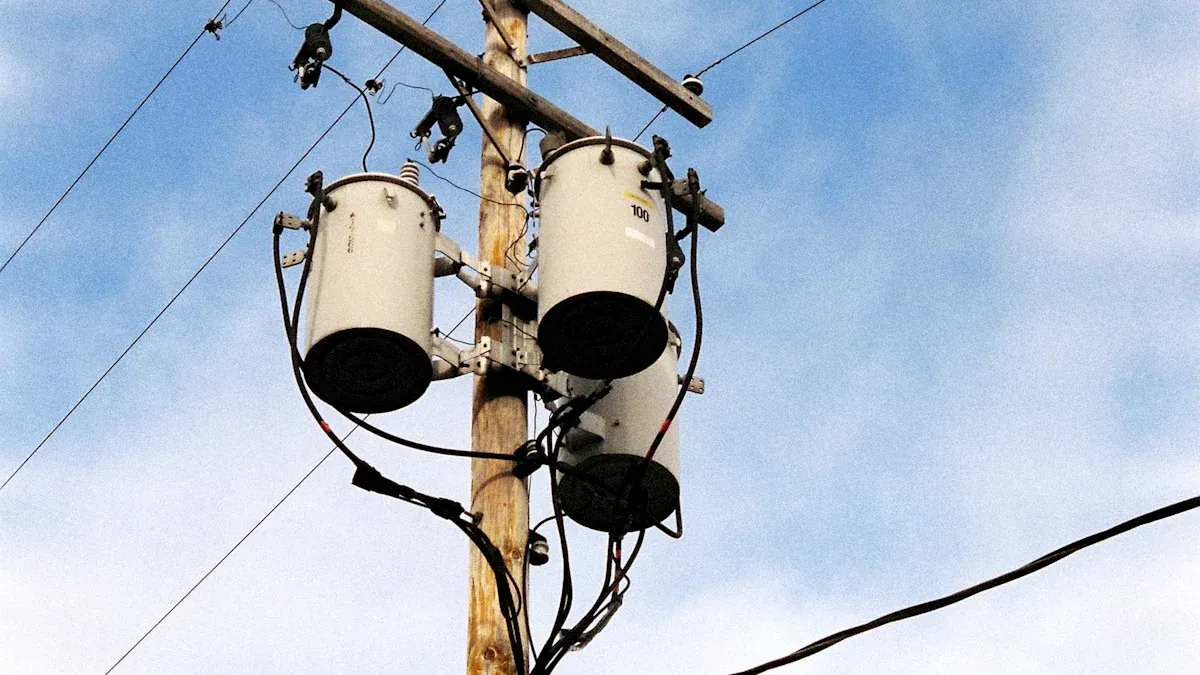
There are two main oil-immersed transformer types in power networks. These are power transformers and distribution transformers. Each one has a special job and design. Power transformers work best in high-voltage stations and big factories. Distribution transformers send electricity to homes, schools, and small stores.
Here is a table that shows how these two types are different:
Design Feature | Power Transformers | Distribution Transformers |
|---|---|---|
Core Type | Shell or core-type with larger cross-section | Core-type, compact and optimized for lower flux density |
Winding Type | Disc, helical, or interleaved for high currents | Layered, spiral, or foil windings |
Cooling Method | OFAF, OFWF, ODAF (forced oil, air, or water) | ONAN, ONAF, or dry-type convection |
Weight | 50–300+ tons | 100 kg to several tons |
Efficiency | Peak at or near full load (>99.5%) | Peak at light load (98.5–99.2%) |
Single-phase transformers are good for small jobs. Three-phase transformers are used for bigger jobs. Three-phase transformers can handle more power. They work well in factories and city power systems.
Oil-immersed transformer systems are used in many tough places. Cities need small, sealed units that fit inside and need little care. Big factories use larger transformers outside for high power needs.
Hermetically sealed transformers are good for indoor or sensitive places. They need less care and protect well against dust and water.
Conservator-type transformers are best for outdoor and big jobs. They help manage oil better and last a long time.
Offshore wind farms have strong weather, salt spray, and wind. Special designs keep transformers safe and working. Here is a table that shows how new designs fix these problems:
Challenge | Design Innovation |
|---|---|
Exposure to harsh marine environments | Use of corrosion-resistant materials |
Temperature fluctuations | Advanced cooling systems |
Corrosion from salt spray | Stainless steel tanks and marine-grade paints |
Intermittent power generation | Predictive maintenance technologies |
Mechanical stress from wind blades | Vibration-dampening features |
You need power transformers and distribution transformers for steady power in these places. Three-phase transformers work well in factories and wind farms. Oil-immersed transformer units can last for many years, even in deserts, by the sea, or in busy cities. Their sealed tanks keep out water, dust, and chemicals. This means you get safe and steady power every day.
Tip: Pick the right transformer for your area. You will get better power and spend less money if you match the design to your needs.
You should check your oil-immersed transformer often. This helps it work well for a long time. Regular checks and oil tests help you find problems early. You can follow rules for how often to check your transformer. The table below shows when to test different transformers:
Transformer Type | Typical Interval | Additional Notes |
|---|---|---|
Distribution (≤10 MVA) | Every 2–3 years | BDV & moisture test usually sufficient |
Power (≥10 MVA) | Annually | Include DGA, acidity, IFT |
Critical Units (Generator/Intertie) | Every 6 months | Full suite of tests + online monitoring |
When you test the oil, you look for water, acid, and gases. These tests show if the transformer is getting too hot or has problems. Oil analysis helps stop big failures and saves money. Testing the oil often also helps you follow safety rules and keeps your transformer in good shape.
Oil testing finds water that can cause rust and insulation trouble.
You can find overheating by checking oil heat and acid levels.
Gases in the oil can show if there are inside problems.
Tip: Checking your transformer and testing the oil are important for safety and care.
You want your transformer to last and stay safe. Sealed designs keep out water, dirt, and chemicals. This means fewer repairs and less chance of leaks. You can follow good steps to help your transformer last longer and stay safe.
Safety Measure | Purpose | Recommended Frequency |
|---|---|---|
Dissolved Gas Analysis (DGA) | Detects overheating, arcing, and fault gases | Every 6-12 months |
Dielectric Strength Test (BDV) | Ensures insulation capability | Every 6 months |
Oil Leak Inspection | Prevents environmental hazards | Monthly |
Thermal Imaging Scan | Identifies hot spots and cooling failures | Every 6 months |
Cooling System Maintenance | Ensures effective heat dissipation | Quarterly |
Fire Protection System Check | Prevents explosion and fire risks | Annually |
You can also use things like new gaskets and leak sensors. These steps help stop oil spills and keep your transformer safe.
Turn off the transformer if you find it is too hot or sparking.
Use fire systems if there is a fire risk.
Move people away from danger and call for help.
Most transformer problems happen because of insulation issues. You can stop these problems with regular care and safety checks. Cleaning, watching, and using the right parts help your transformer work well for many years.
Note: Good care keeps your transformer safe, saves money, and helps you follow safety rules.
You use oil-immersed transformers to get safe and steady power. These transformers have strong insulation and good cooling. Their sealed designs help them meet safety and efficiency rules. When you pick a transformer, you should check some important things. Look at the rated capacity, voltage, and how much protection it gives.
Key Parameter | Description |
|---|---|
Rated capacity (kVA) | Make sure it matches your power needs with extra room |
Cooling method | Choose from ONAN, ONAF, or OFWF |
Protection level | Pick IP20–IP55 for different places |
The market is getting bigger because of new technology and green energy. You will see better transformers and more eco-friendly choices soon.
Oil-immersed transformers work with solar and wind power.
They help the grid lose less power and cut down CO2.
You use an oil-immersed transformer to change voltage in power lines. The oil cools and protects the inside parts. This helps you get safe and steady electricity at home, in schools, and in factories.
You should test the oil every 1 to 3 years. If you use the transformer in a busy place or for important work, check it more often. Regular checks help you find problems early.
Sealed transformers keep out water, dust, and chemicals. This protects the oil and inside parts. You get fewer leaks and less rust. Your transformer works better and lasts longer.
You can use oil-immersed transformers in many places:
City power grids
Factories
Offshore wind farms
Large buildings
Tip: Pick the right size and type for your needs to get the best results.