English

Views: 0 Author: Site Editor Publish Time: 2025-12-22 Origin: Site


In the electrical industry, transformers play a critical role in energy transmission, ensuring that electrical power is effectively distributed across various applications. These vital components come in different materials, primarily copper, aluminum, and copper-clad aluminum. Understanding the differences, applications, and benefits of these materials is crucial for selecting the appropriate transformer for specific needs.
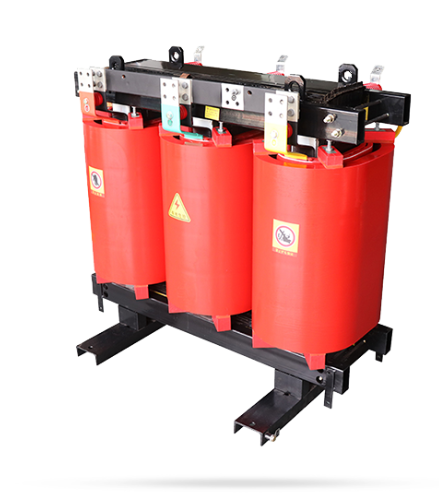
Transformers are devices that change the voltage of electricity in an electrical circuit. The transformer consists of two or more wire coils, called windings, which are linked through a magnetic field. The main function of a transformer is to either step up or step down the voltage of alternating current (AC) as it passes through the coils. The choice of materials used for transformer windings is essential to their performance, cost, and longevity.
Transformers primarily use three materials for their windings: copper, aluminum, and copper-clad aluminum. These materials have unique properties that influence their efficiency, cost, and performance. Let's examine each of these materials more closely.
Copper has been a traditional material used in transformer windings for many years. Known for its excellent electrical conductivity, copper is an ideal choice for transformers where efficiency and reliability are essential.
Advantages of Copper Transformers:
High Conductivity: Copper has one of the highest electrical conductivities of any metal, allowing for reduced energy losses during transmission.
Durability: Copper is resistant to corrosion and wear, which ensures that copper transformers have a longer lifespan and require less maintenance.
Efficiency: Due to its conductivity, copper allows transformers to operate at lower temperatures, reducing energy loss and heat generation.
Compact Design: Copper windings are more compact than their aluminum counterparts, making copper transformers smaller and lighter for the same power rating.
Disadvantages of Copper Transformers:
Cost: Copper is significantly more expensive than aluminum, which can increase the overall cost of the transformer.
Weight: Copper is heavier than aluminum, which can affect the overall weight of large transformers.
Aluminum transformers use aluminum as the material for the windings. Aluminum is less conductive than copper, but it has its own set of advantages that make it a viable choice for transformers in specific applications.
Advantages of Aluminum Transformers:
Cost-Effective: Aluminum is much cheaper than copper, which makes aluminum transformers an attractive option for budget-conscious projects.
Lightweight: Aluminum is much lighter than copper, making aluminum transformers easier to transport and install.
Abundant Availability: Aluminum is more abundant and widely available, contributing to its lower cost.
Sufficient Conductivity: While aluminum has lower conductivity than copper, it can still perform adequately in many applications, especially when the size of the transformer is increased to compensate for the lower conductivity.
Disadvantages of Aluminum Transformers:
Lower Efficiency: Aluminum’s lower conductivity leads to higher energy losses, which can result in reduced efficiency and higher operating temperatures.
Durability Issues: Aluminum is more prone to corrosion than copper, which can affect the transformer’s longevity.
Bulky Design: Due to its lower conductivity, aluminum windings require larger amounts of material, making aluminum transformers bulkier compared to copper transformers for the same power rating.
Copper-clad aluminum (CCA) transformers combine the benefits of both copper and aluminum. These transformers use aluminum for the core material but coat the aluminum with a thin layer of copper to enhance its electrical conductivity.
Advantages of Copper-Clad Aluminum Transformers:
Cost Savings: Copper-clad aluminum provides a good balance between cost and performance. While copper-clad aluminum is more expensive than pure aluminum, it is significantly cheaper than pure copper.
Improved Conductivity: The copper layer improves the conductivity of aluminum, reducing the energy losses typically associated with aluminum transformers.
Lightweight: Like aluminum, copper-clad aluminum is lightweight, making it easy to transport and install.
Resistance to Corrosion: The copper layer provides some protection against corrosion, improving the durability of the transformer.
Disadvantages of Copper-Clad Aluminum Transformers:
Lower Conductivity than Copper Transformers: Although copper-clad aluminum has better conductivity than pure aluminum, it still does not match the performance of pure copper transformers.
Material Complexity: The process of manufacturing copper-clad aluminum transformers can be more complex and costly than pure aluminum or copper transformers.
Copper transformers are commonly used in applications where high efficiency and compact size are essential. These include:
Power stations: High-efficiency copper transformers are crucial in power generation and distribution.
High-end industrial applications: Manufacturing industries that require precise control and minimal energy loss use copper transformers.
Data centers and critical infrastructure: Copper transformers are preferred in data centers due to their reliability and efficiency.
Aluminum transformers are typically used in cost-sensitive applications where weight is a concern. Common uses include:
Residential applications: Aluminum transformers are often used in residential power distribution, as the lower cost can offset the energy efficiency trade-off.
Rural areas: In areas where cost is a major consideration, aluminum transformers are used in power distribution lines.
Medium power distribution: Aluminum is suitable for medium-power transformers, where cost reduction is more important than the highest possible efficiency.
Copper-clad aluminum transformers strike a balance between cost and performance, making them suitable for:
Utility companies: Many utilities use copper-clad aluminum transformers for applications where both cost and efficiency are important.
Renewable energy applications: In solar and wind power systems, copper-clad aluminum transformers are increasingly used due to their cost-effectiveness and lightweight properties.
Commercial applications: Copper-clad aluminum transformers are commonly used in commercial power distribution where both affordability and performance are important.
| Property | Copper Transformers | Aluminum Transformers | Copper-Clad Aluminum Transformers |
|---|---|---|---|
| Electrical Conductivity | High | Moderate | High (due to copper cladding) |
| Weight | Heavy | Lightweight | Lightweight |
| Cost | Expensive | Cost-effective | Moderate |
| Durability | High | Moderate (prone to corrosion) | High (due to copper cladding) |
| Efficiency | High | Moderate | High (better than aluminum) |
| Size | Smaller (for the same power) | Bulkier (due to lower conductivity) | Moderate (compared to pure copper) |
| Applications | High-end industrial, data centers | Residential, rural, medium-power distribution | Utility, renewable energy, commercial |
Choosing the right transformer material depends on the specific needs of the application. Copper transformers provide the best performance but come at a higher cost. Aluminum transformers offer a more affordable option with larger size and lower efficiency. Copper-clad aluminum transformers offer a middle ground, combining cost savings with improved performance. By understanding these materials, electrical engineers and buyers can make informed decisions that align with their operational needs and budget constraints.
What is the difference in efficiency between copper and aluminum transformers?
Copper transformers are generally more efficient due to their higher conductivity. Aluminum transformers require more material to achieve the same power output, which leads to higher energy losses.
Why are copper transformers more expensive than aluminum ones?
Copper is more expensive than aluminum, which directly affects the cost of manufacturing copper transformers. Copper’s higher conductivity and durability contribute to the cost difference.
Are copper-clad aluminum transformers as efficient as pure copper transformers?
Copper-clad aluminum transformers are more efficient than pure aluminum transformers, but they are still not as efficient as pure copper transformers.
Can copper-clad aluminum transformers be used in all applications?
Copper-clad aluminum transformers are versatile and can be used in a wide range of applications, particularly in commercial and utility settings. However, in high-efficiency applications, pure copper may still be preferred.
What are the environmental benefits of copper-clad aluminum transformers?
Copper-clad aluminum transformers offer a balance of efficiency and cost, which can help reduce energy waste in applications without sacrificing performance. Additionally, the reduced use of pure copper helps in minimizing the environmental impact of mining and production.