English

Views: 0 Author: Site Editor Publish Time: 2025-10-28 Origin: Site


Wind turbines are a key technology in renewable energy, converting wind into electricity to reduce carbon emissions and support sustainable energy. However, their performance can be affected by fluctuating wind speeds and varying power outputs.
Frequency converters (or Variable Frequency Drives, VFDs) play a crucial role in optimizing wind turbine performance. They control the generator's speed by adjusting the frequency of the electrical power, ensuring that turbines operate efficiently under changing wind conditions. This stabilization of power output also helps integrate wind energy smoothly into the grid.
By improving efficiency, reliability, and reducing mechanical stress, frequency converters enhance the overall performance of wind turbines, increase energy production, and extend turbine lifespan. They are essential for making wind energy systems more effective and reliable.
Frequency converters, or Variable Frequency Drives (VFDs), control the speed of motors by adjusting the frequency of electrical power. In wind turbines, they help optimize generator performance by regulating the motor speed and power supply. This allows turbines to operate efficiently across a range of wind speeds, maximizing energy output while stabilizing power generation.
Wind turbine generators need to adjust speed based on wind conditions. At low winds, the turbine runs at lower speeds to prevent damage, while higher speeds are needed at stronger winds. Frequency converters adjust the generator's speed by modifying the electrical power’s frequency, ensuring optimal performance. They also stabilize fluctuating electrical output, converting it into a consistent, grid-compatible frequency, which is vital for steady power delivery.
Rotor speed is crucial for power generation in wind turbines, as it determines how much wind energy is converted into electricity. Frequency converters optimize this relationship by adjusting the motor speed to match changing wind conditions. By regulating the generator's speed, they help capture more energy when the wind is strong and reduce unnecessary strain when it's weak, ensuring the turbine operates efficiently and reliably. This improves energy production and extends turbine lifespan.
Frequency converters play a key role in adjusting turbine speeds based on real-time wind conditions to maximize energy output. Wind speeds fluctuate constantly, and turbines must adjust their rotor speed to capture the optimal amount of energy. Frequency converters regulate the generator’s motor speed, ensuring that the turbine runs at the most efficient speed for energy conversion. By doing so, they maximize power generation in higher winds and protect the turbine in lower winds, preventing unnecessary wear.
Additionally, frequency converters help maintain a constant generator speed despite variable wind conditions. This consistent speed is crucial for ensuring the turbine can consistently convert wind energy into electricity, optimizing energy production and stabilizing output even when wind speeds are inconsistent.
Frequency converters ensure the stable integration of the wind turbine’s output into the power grid. Wind turbines generate electricity at a variable frequency, which is incompatible with the standard grid frequency. Frequency converters adjust the variable frequency from the turbine and convert it to a consistent, grid-compatible frequency, ensuring smooth synchronization with the electrical grid. This prevents power fluctuations and enhances grid stability, especially in areas with high renewable energy penetration, where variable energy sources like wind can otherwise create instability.
Frequency converters also help optimize energy efficiency by adjusting motor speeds to match the actual load demands. This reduces energy losses that typically occur when motors run at constant speeds. Moreover, by reducing mechanical stress and wear on turbine components, frequency converters contribute to long-term durability, cutting down on maintenance costs and downtime. The reduced mechanical wear translates into better overall efficiency, lower operational costs, and a longer lifespan for the turbine.
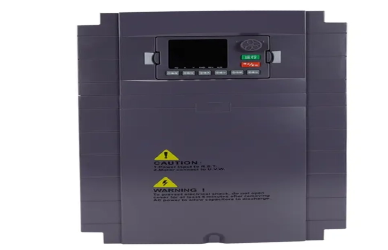
One of the primary advantages of using frequency converters in wind turbines is the ability to control motor speed through soft-start and soft-stop functions. Traditional systems can subject turbine components to sudden mechanical stresses during startup and shutdown, which accelerates wear and increases the risk of component failure. Frequency converters gradually ramp up or down the turbine speed, minimizing these sudden forces and reducing the strain on the mechanical components. This smooth operation helps to prevent unnecessary fatigue on the drive train and gearbox, significantly extending the life of these crucial components.
Wind speed fluctuations are a constant challenge for wind turbines, often leading to sudden changes in the turbine's load and speed. These fluctuations can cause mechanical components, such as the gearbox, rotor blades, and bearings, to experience unnecessary stress, potentially reducing their lifespan. Frequency converters help mitigate this issue by allowing the turbine to adjust its speed dynamically, optimizing it for varying wind conditions. By ensuring that the turbine operates within an optimal range, frequency converters reduce the chances of overloading the system and causing premature wear. This results in a more balanced and stable performance, reducing mechanical fatigue.
3.How Frequency Converters Extend the Lifespan of Turbines by Regulating Operational Conditions
Frequency converters regulate the turbine's operational conditions, such as speed, torque, and load, ensuring that the turbine operates within its design limits. By maintaining consistent and optimal performance, they prevent overloading and the damaging effects of high stress, both of which can significantly reduce the turbine’s longevity. Moreover, frequency converters help to optimize power generation by ensuring the turbine operates at its most efficient speed, preventing overuse of components and minimizing the need for repairs or replacements. Over time, this leads to fewer mechanical failures and a longer lifespan for the entire turbine system.
Frequency converters are vital for real-time monitoring of wind turbines, tracking parameters like motor speed, torque, and power. They provide continuous data on the turbine’s performance, helping operators spot deviations from normal conditions that might indicate emerging issues. This allows for immediate assessment of operational health, ensuring the system runs efficiently.
Frequency converters assist predictive maintenance by monitoring motor speeds and electrical signals, detecting signs of wear such as unusual vibrations or power fluctuations. Analyzing this data helps forecast potential failures in turbine components, like bearings or generators, enabling maintenance before serious issues arise.
Early detection of issues through frequency converter data allows for timely maintenance, reducing unplanned downtime. This approach helps avoid emergency repairs and extends turbine life by scheduling service during planned intervals. Proactive maintenance enhances operational efficiency, reduces costs, and ensures reliable power generation.
Integrating frequency converters into existing turbines can present technical difficulties. Older turbines may not be designed to accommodate VFDs (Variable Frequency Drives), leading to issues like space constraints, compatibility with control systems, and interfacing challenges between the turbine's power generation and the converter. Ensuring smooth integration requires careful calibration to avoid power losses and inefficiencies.
Retrofitting older turbines with frequency converters can be expensive. The installation often involves significant upgrades to electrical infrastructure, such as wiring, control systems, and protection circuits, leading to downtime for turbines. Although the long-term benefits are clear—improved efficiency and reduced maintenance costs—the initial investment and disruption during installation can be a barrier.
In large-scale wind farms, integrating frequency converters across diverse turbine models may pose compatibility challenges. Different turbines may have varying operational characteristics, complicating efficient integration. Additionally, maintaining consistency across a large fleet requires specialized training, spare parts, and troubleshooting, increasing operational costs and complexity.
In summary, frequency converters play a critical role in optimizing wind turbine performance by regulating rotor speeds, ensuring stable power output, and improving energy efficiency. They help turbines adapt to fluctuating wind conditions, maintain grid stability, and reduce mechanical stress, all of which contribute to longer turbine lifespan, enhanced performance, and reduced operational costs. As renewable energy generation continues to grow in importance, advanced frequency converter technologies are becoming increasingly essential for enhancing the efficiency and reliability of wind power systems. Looking ahead, innovations in frequency converter design will likely lead to even more sophisticated systems that improve the integration of wind energy into the grid and support the transition to a more sustainable energy future. These advancements will play a crucial role in making wind power systems even more efficient, cost-effective, and reliable in the years to come, ensuring a stronger, more resilient renewable energy infrastructure. Additionally, with the increased demand for clean energy, these technologies will drive greater operational flexibility, allowing wind farms to adapt to the evolving needs of modern energy grids.