English

Views: 0 Author: Site Editor Publish Time: 2025-10-24 Origin: Site


Frequency converters, or Variable Frequency Drives (VFDs), adjust the speed of electric motors by controlling the frequency and voltage of the electrical power supplied. This allows motors to run at optimal speeds for varying load conditions, improving efficiency and flexibility in industrial systems.
In applications like water treatment plants, HVAC systems, and manufacturing, reducing equipment wear is key to smooth operations and minimizing maintenance costs. Motors often face high operational stresses that can cause premature failure. Frequency converters reduce mechanical, electrical, and thermal stress by providing smooth starts, controlled acceleration and deceleration, and optimized motor speeds. This not only extends equipment life but also boosts energy efficiency and reduces downtime.
Equipment wear and tear refers to the gradual degradation of components due to regular use over time. It occurs when machinery is exposed to stresses such as friction, heat, electrical surges, and vibration. This can lead to reduced efficiency, frequent breakdowns, and ultimately the need for costly repairs or replacements.
Mechanical Stress: This occurs when moving parts, such as bearings, gears, and shafts, experience friction or excessive load. It can lead to physical wear, deformation, and eventual failure of components.
Electrical Stress: Voltage spikes, current surges, and unstable power supply can damage electrical components like windings, capacitors, and circuit boards. This type of stress leads to overheating, short circuits, and reduced operational life.
Thermal Stress: Overheating is a major factor in the wear and tear of electrical and mechanical components. High temperatures can degrade insulation, increase resistance, and cause parts to warp or melt, leading to failure.
Traditional motor control systems often run motors at a constant speed, regardless of varying load demands. This can lead to:
Constant High-Speed Operation: Motors running at full speed continuously cause excessive mechanical stress and increase the rate of wear on bearings, seals, and other moving parts.
Abrupt Starts and Stops: Motors that start and stop suddenly experience mechanical shocks that accelerate wear on both the motor and connected machinery.
Inefficient Energy Usage: Fixed-speed motors consume more energy than necessary, which can cause overheating and excess heat generation, contributing to thermal stress and reducing component lifespan.
Frequency converters allow motors to run at varying speeds based on system needs, rather than operating at a fixed, maximum speed. This ensures that motors are only running as fast as required, preventing overuse and reducing strain on components. In systems like water pumping, the motor speed can be lowered during periods of low demand, reducing mechanical stress while still maintaining efficiency.
Traditional systems often run motors at full speed constantly, which leads to excessive wear on parts like bearings and seals. Frequency converters adjust motor speeds to match load requirements, avoiding prolonged high-speed operation. This reduces mechanical fatigue, minimizes component wear, and lowers the likelihood of early failures.
Frequency converters feature soft start and stop functions that gradually accelerate or decelerate the motor, avoiding the mechanical shocks caused by sudden starts or stops. This smooth control reduces stress on the motor and connected equipment, helping prevent damage and extending the lifespan of the system.
One of the key benefits of frequency converters is their ability to regulate the voltage and current supplied to the motor, ensuring that they remain within safe operating limits. Traditional motor systems often experience fluctuations in voltage and current, especially when there are sudden changes in load or during motor startup. These fluctuations can cause electrical stress, leading to damage in motor windings, capacitors, or other sensitive electrical components. Frequency converters continuously monitor and adjust the power supplied to the motor, smoothing out these fluctuations, thus protecting the motor from potential electrical damage and ensuring stable, efficient operation.
Electrical spikes and surges are common occurrences in industrial systems, often resulting from switching operations or sudden load changes. These sudden increases in voltage can cause serious damage to electrical components, including short circuits, insulation failure, and motor burnouts. Frequency converters help mitigate this risk by controlling the rate at which power is supplied to the motor, reducing the likelihood of electrical spikes and surges. By gradually ramping up or down the power, frequency converters ensure that the motor receives a smooth, stable flow of electricity, thus safeguarding sensitive equipment from electrical damage and extending the lifespan of electrical components.
Another way frequency converters reduce electrical stress is through effective load management. In traditional systems, motors often operate at full capacity, even when the system’s load is lower. This results in inefficient power usage and unnecessary strain on the motor and electrical components. Frequency converters adjust the motor speed and power usage according to the actual demand, ensuring that motors are always operating within their optimal load range. This not only reduces energy consumption but also minimizes stress on electrical components like wiring, transformers, and fuses, which are less likely to overheat or fail when operating within their designed limits.
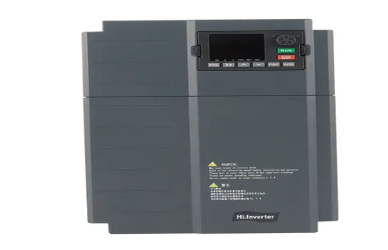
Frequency converters help control motor speed, reducing unnecessary heat generation. Traditional motors often run at full speed, causing excess heat and risking damage. By adjusting motor speed based on demand, frequency converters ensure motors only use the energy required, preventing overheating and extending motor life.
When motors run at full speed regardless of load, they consume more energy and produce more heat. Frequency converters adjust motor speeds to match load requirements, minimizing energy waste and heat generation. This optimized control reduces the risk of overheating, protecting motor components like windings and insulation from heat damage.
Frequency converters improve energy efficiency by ensuring motors operate at the optimal speed, reducing energy consumption and heat production. This leads to more stable operating temperatures and reduces the load on cooling systems. By cutting energy waste and maintaining system stability, frequency converters help lower operational costs and enhance the longevity of equipment.
Frequency converters help reduce mechanical failures by providing precise control over motor speed and load. Traditional motor systems often operate at full speed, subjecting components like bearings, shafts, and seals to excessive wear. Frequency converters adjust motor speed to match the system's demand, minimizing strain on moving parts. This gradual operation reduces mechanical stress, preventing premature component failure and breakdowns.
By ensuring motors operate within their optimal range, frequency converters reduce the likelihood of overheating, overloading, and mechanical stress, which are common causes of equipment failure. This leads to fewer unscheduled maintenance events and repairs, as the system runs more efficiently and with fewer breakdowns. Regular, predictable operation reduces the need for emergency repairs, improving system reliability and reducing downtime.
In applications like pumps, compressors, and HVAC systems, frequency converters have been shown to extend the lifespan of equipment. For example, in water treatment plants, frequency converters help control the speed of pumps, preventing overuse and minimizing wear on motor components. Similarly, in HVAC systems, they help adjust fan speeds according to demand, reducing wear on fans and compressors. These optimizations lead to longer equipment life, less frequent repairs, and more consistent performance.
Frequency converters reduce wear on motors by optimizing speed and minimizing stress, leading to fewer breakdowns and lower maintenance costs. They also help extend the life of components like bearings and seals, reducing the need for costly replacements.
With fewer mechanical and electrical failures, frequency converters improve system reliability, increasing uptime and productivity. Motors operate more smoothly and with less downtime, boosting overall operational efficiency in systems like pumps, HVAC, and compressors.
By adjusting motor speeds to match actual demand, frequency converters reduce energy wastage. This optimized operation lowers energy consumption, leading to reduced electricity costs while ensuring the system runs efficiently and reduces wear on components.
Frequency converters play a crucial role in reducing equipment wear and tear by optimizing motor speed, minimizing mechanical stress, and preventing electrical and thermal overloads. Their ability to adjust motor speeds according to system demands helps avoid excessive strain on components, leading to longer equipment life and fewer breakdowns. In addition to reducing maintenance costs, frequency converters improve system efficiency, increasing uptime and lowering energy consumption.
The long-term benefits of adopting frequency converters are substantial, offering extended equipment lifespan, reduced downtime, and significant cost savings in both maintenance and energy. Looking ahead, the integration of frequency converters with IoT and predictive maintenance technologies will further enhance their ability to minimize wear, allowing for even more proactive management of equipment health and performance. This evolution promises to bring more precise, real-time control, leading to even greater efficiency and reliability in industrial operations.