English

Views: 0 Author: Site Editor Publish Time: 2026-07-21 Origin: Site


Procurement mistakes carry heavy consequences. Specifying the wrong equipment compromises facility safety. It inflates long-term maintenance budgets. It also risks severe regulatory non-compliance. You face significant procurement stakes when finalizing electrical plans. We cannot simply declare one technology universally better. Instead, you must make a highly conditional decision. This choice depends heavily on your installation environment. It also relies on your specific load demands and upfront capital constraints.
We designed this objective transformer comparison to clarify these complex nuances. You will discover exactly how cooling mechanics influence physical placement. You will learn the hidden operational costs of routine maintenance. We will explore structural differences, fire safety ratings, and ecological compliance limits. Finally, we aim to help engineers and facility managers confidently finalize their project specifications.
Engineers must understand baseline design variations before purchasing. Cooling mechanics define how these machines operate safely. Each system uses distinct insulation materials. They manage core heat differently based on their internal structure.
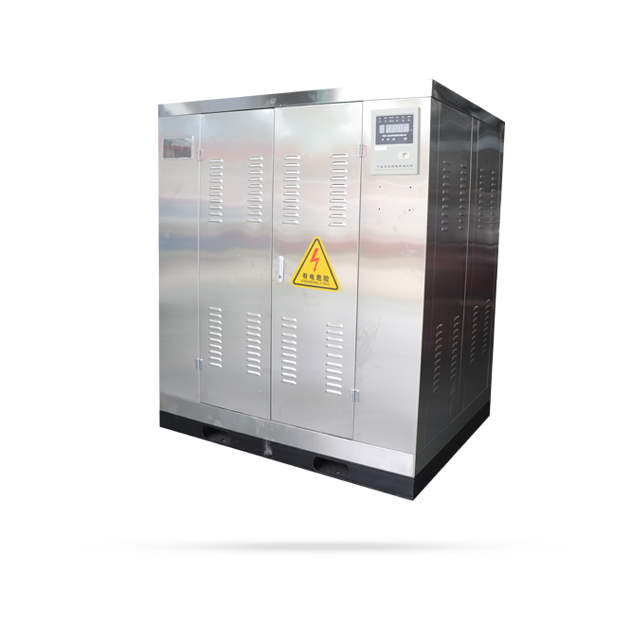
A Dry Type Transformer relies strictly on ambient air for cooling. Manufacturers often use cast resin or Vacuum Pressure Impregnation (VPI) for insulation. These solid insulation methods encapsulate the internal coils. They offer high mechanical strength. This design completely eliminates liquid coolants. Consequently, it removes all fluid leak risks. Your facility stays free from toxic spills. Natural drafts or forced-air fans circulate air through the enclosure. Fans push hot air away from the active components effectively.
An oil immersed transformer uses liquid inside a sealed tank. Manufacturers submerge the core and windings in mineral or synthetic oils. This liquid serves a crucial dual purpose. It acts as an excellent electrical insulator. It also functions as a highly efficient heat dissipator. The fluid absorbs thermal energy from the coils directly. Convection currents then carry this heat to the external radiators. The oil cools down before cycling back to the core.
Both technologies meet modern energy efficiency standards. However, operational constraints dictate their real-world performance. Regulatory bodies enforce strict baseline efficiencies. You must adhere to these rules during installation. Consider these three modern efficiency frameworks:
Space constraints deeply influence your specification process. Fire safety codes strictly dictate indoor installations. Hospitals, shopping malls, and underground vaults demand rigorous safety profiles. Regulatory bodies usually mandate air-cooled units in these confined spaces. Fire codes like NFPA 70 strictly govern equipment placement indoors.
Let us look at clearance requirements. A dry type transformer requires adequate ventilation space. You must leave room for natural air circulation. However, it requires a much smaller overall site footprint. You do not need to build complex fire-rated enclosures. You can position it closer to the load center safely. This proximity reduces costly secondary cable runs. Liquid-filled units demand extensive fire clearances. They require heavy firewalls if placed near occupied buildings. Insurance premiums often rise when installing liquid tanks indoors.
Thermal management separates these two technologies clearly. Oil offers superior thermal conductivity compared to air. Fluid mediums transfer heat much faster. Liquid cools continuous heavy loads effortlessly. It also handles temporary power overloads better. Air cooling simply cannot match liquid thermal transfer rates.
You must evaluate temperature rise ratings carefully. Standard air-cooled units often run hotter. They feature temperature rise limits of 115°C or 150°C. High ambient climates negatively impact their performance. Hot weather reduces the effective air cooling gradient. You might experience capacity derating in extreme summer heat. Liquid units usually feature a 65°C temperature rise rating. They remain incredibly stable under heavy stress. Industrial plants rely heavily on this thermal buffer.
Ecological regulations impose heavy burdens on liquid tanks. You must implement extensive spill mitigation strategies. A ruptured tank causes severe soil and water contamination. The EPA enforces strict containment rules. You must build concrete catch basins around the installation pad. You also need a comprehensive Spill Prevention, Control, and Countermeasure (SPCC) plan.
Air-cooled machines avoid these regulatory headaches entirely. They contain no harmful fluids. They offer total ecological safety. You can safely install them in environmentally sensitive areas. Protected wetlands, marine vessels, and nature reserves favor air-cooled designs. You eliminate all ground contamination risks outright.
Financial planning requires distinguishing upfront costs from ongoing expenses. Each model presents a unique economic profile. You must calculate initial capital alongside lifetime upkeep.
You will generally pay an upfront premium for air-cooled units. Their complex cast resin manufacturing processes drive costs higher. Solid insulation materials cost more than raw steel and mineral oil. By contrast, liquid-filled models offer a lower initial unit cost. Their construction relies on mature, highly standardized fluid tank designs. However, site preparation costs alter this dynamic significantly. Building fireproof vaults for liquid units adds massive upfront expense. Simple fencing usually suffices for air-cooled models.
Ongoing maintenance consumes facility budgets over decades. Liquid-filled units require rigorous, recurring attention. You face costs associated with periodic fluid sampling. Technicians must perform dissolved gas analysis (DGA). They run dielectric breakdown testing routinely. You will eventually pay for filter pressing or complete fluid replacement. These service calls require specialized contractors.
Air-cooled models offer incredibly minimal maintenance routines. Facilities mostly perform periodic vacuuming and dusting. Technicians conduct simple visual coil inspections. You check for loose connections and dust buildup. You rarely need specialized testing equipment. This minimal upkeep reduces labor costs dramatically over time.
| Financial Factor | Air-Cooled Models | Liquid-Filled Models |
|---|---|---|
| Initial Unit Cost | Generally higher base premium. | Generally lower base premium. |
| Site Preparation | Low. Requires simple fencing and standard ventilation. | High. Requires containment basins and firewalls. |
| Routine Maintenance | Minimal. Visual inspections and periodic dusting. | Intensive. Oil sampling, DGA testing, and leak checks. |
| Insurance Premiums | Often lower due to minimal fire hazard. | Often higher indoors due to flammability risks. |
Different sectors demand specific electrical solutions. You must map the technology to its ideal operational environment accurately. Selecting the wrong model leads to operational bottlenecks.
Certain facilities prioritize safety and footprint over peak capacity. Consider these ideal applications:
Heavy industry requires raw power and immense cooling capacity. Consider these applications:
Every engineering choice carries inherent limitations. You must anticipate long-term structural risks before purchasing. Facility managers must look decades ahead to prevent operational disruptions.
Physical size constraints dictate high-capacity scaling. Air-cooled models face significant upper limits. Pushing them to massive kVA ratings creates enormous physical dimensions. The cost ceiling climbs exponentially at utility-scale sizes. Liquid units scale up effortlessly. They maintain manageable footprints even at extreme voltages. Engineers always prefer liquid designs for massive substation capacities.
We must acknowledge realistic equipment lifespans. Liquid units generally boast a longer functional lifespan. They last for decades if maintained meticulously. The fluid preserves the solid paper insulation continuously. However, catastrophic failures present stark differences. A failed coil in an air-cooled unit proves fatal. It usually requires total equipment replacement. You cannot easily uncast cured epoxy resin. Conversely, repair shops can sometimes rewind liquid-filled coils. They can replace specific damaged internal components.
Acoustic isolation matters deeply in populated areas. We must compare operational decibel outputs. The core magnetostriction causes humming in both models. However, liquid serves as an excellent sound dampener. It absorbs acoustic vibrations efficiently. The heavy steel tank further isolates the noise. Air-cooled models lack this dampening fluid. They often operate at slightly higher decibel levels. You might need expensive acoustic enclosures if placing them near office spaces.
Choosing the right equipment determines long-term facility success. You must balance initial layout budgets against long-term safety rules. Your decision shapes maintenance schedules for decades.
A: Yes. You must house it inside a proper NEMA 3R or NEMA 4 enclosure. These specialized cabinets provide necessary weatherproofing against rain, snow, and windblown dust. However, harsh ambient temperatures still affect cooling efficiency. You should carefully evaluate local climate extremes before placing them outside.
A: No. Both designs meet stringent modern efficiency standards. We must clarify the difference between load losses and no-load losses. Air-cooled models generally show slightly higher operating load losses due to thermal resistance. However, their no-load losses often remain highly competitive. Proper sizing prevents efficiency drops.
A: Facilities should conduct a standard visual inspection annually. You must check for exterior leaks, radiator rust, and gauge accuracy. Technicians should perform professional oil sampling every one to three years. They test dielectric strength and analyze dissolved gases. Heavy industrial loads require more frequent fluid testing.
A: Standard air-cooled units generally top out around 15 MVA to 20 MVA for practical commercial use. Specialized custom builds can reach slightly higher capacities. However, physical size and cost ratios become highly inefficient beyond this point. Engineers dictate a switch to liquid models for massive utility loads.