English

Views: 0 Author: Site Editor Publish Time: 2025-10-23 Origin: Site


Water treatment plants are essential for providing clean and safe water to communities, involving processes like pumping, filtration, chemical treatment, and distribution. Motors power key equipment such as pumps, compressors, and mixers, ensuring smooth operation of these processes.
However, motor overload is a common issue in these plants. Overloading happens when motors exceed their capacity, often due to high demand or poor maintenance. This can damage equipment, cause costly repairs, and lead to downtime, disrupting the water treatment process. Additionally, frequent overloads result in higher energy use, reduced motor lifespan, and increased long-term costs.
Frequency converters, also called Variable Frequency Drives (VFDs), are devices that control the speed and torque of electric motors by adjusting the frequency of the electrical power supplied to them. By modifying the frequency and voltage, frequency converters regulate motor speed, improving efficiency, energy savings, and offering smoother control. They help protect motors from overloads and ensure they operate only as needed for specific tasks.
AC Drives (Alternating Current Drives):
AC drives are the most common frequency converters, used for controlling AC motors by adjusting input frequency and voltage. They are used in applications such as pumps, fans, and conveyors.
DC Drives (Direct Current Drives):
DC drives control the speed of DC motors by adjusting voltage. They are used in specialized applications requiring high torque at low speeds, such as cranes and elevators.
Static Frequency Converters:
These converters are used in situations where input and output frequencies differ significantly, like in power transmission across regions with varying grid frequencies.
Frequency converters are widely used in industries for energy efficiency and motor control. Common applications include:
Water Treatment Plants:
Frequency converters regulate the speed of pumps and other equipment, preventing motor overloads, reducing energy consumption, and ensuring smoother operation.
HVAC Systems:
In HVAC systems, they control the speed of motors for fans, compressors, and pumps, optimizing energy use based on varying demands.
Manufacturing and Automation:
Frequency converters control motors in conveyors and automated machinery, improving production accuracy and reducing energy consumption.
Elevators and Cranes:
DC drives are used in elevators and cranes for smooth speed control, ensuring safety and reducing mechanical stress.
Pumps and Fans:
In industries like chemical processing and mining, frequency converters adjust pump and fan speeds to match varying fluid flow requirements, saving energy and reducing wear.
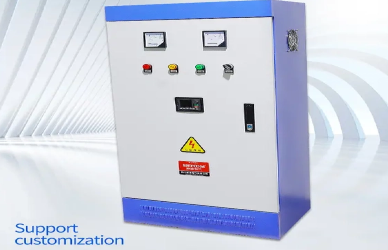
Frequency converters adjust motor speed and torque by varying the frequency and voltage of the electrical power supplied. This allows motors to operate efficiently according to the load demand. When demand is low, such as during off-peak hours or reduced pumping needs, the frequency converter lowers the motor speed to prevent unnecessary strain. This helps avoid motor overload, reduces torque stress, and prolongs the motor's lifespan.
Frequency converters prevent overcurrent conditions, which occur when motors draw excessive current. Overcurrent can lead to overheating, damage, and failure. By adjusting the frequency and voltage, frequency converters ensure motors operate within safe current limits. When heavy load conditions arise, the converter can reduce speed or torque to maintain proper current levels, minimizing the risk of overload.
Frequency converters provide soft start and stop functions to prevent sudden electrical surges. Traditional motor startups often cause a sharp inrush of current, which can lead to motor overloads. With a soft start, the converter gradually ramps up motor speed, reducing current spikes. Similarly, the soft stop function slowly decelerates the motor to prevent sudden electrical drops, protecting the system from overloads and ensuring smoother operation.
By matching motor speed to the actual load demand, frequency converters optimize energy usage, which reduces motor stress and the chances of overload. In applications like water pumping or HVAC, where demand fluctuates, converters adjust the motor’s speed to improve efficiency while avoiding excessive load. This not only reduces energy consumption but also lowers wear and tear on the motor, extending its life and preventing overloads.
Frequency converters are widely used in water pumping systems to manage motor loads and prevent overloading. In these systems, frequency converters adjust the motor speed to match real-time water flow demands, reducing stress on the motors during low-demand periods and preventing overloads during high-demand times.
Key Results:
Extended Motor Life: By preventing continuous high-speed operation and overload, frequency converters reduce motor wear, extending their lifespan.
Reduced Downtime: Minimizing overloads results in fewer motor failures and less unscheduled downtime.
Energy Savings: Frequency converters ensure that motors operate at the optimal speed, reducing energy consumption and lowering operational costs.
Chemical dosing systems require precise control to add chemicals at varying flow rates and pressures. Frequency converters help by adjusting the speed of dosing pumps, ensuring they operate efficiently under fluctuating demands. This helps prevent motor strain and ensures accurate chemical delivery.
Benefits:
Reduced Strain on Motors: Frequency converters adjust motor speeds to reduce stress, preventing overloads.
Precise Control: They provide better control over dosing operations, ensuring consistent chemical dosing.
Cost Savings: More efficient chemical dosing reduces waste and lowers overall operational costs.
Frequency converters help reduce motor stress by adjusting the speed and torque of motors based on real-time operational demands. This dynamic control ensures that motors only operate at the required speed, preventing them from running at full capacity unnecessarily. As a result, motors experience less mechanical strain, which reduces wear and tear over time.
By preventing conditions such as overloading and excessive operation at high speeds, frequency converters can significantly extend the lifespan of motors and associated equipment. This leads to less frequent maintenance and repairs, reducing the likelihood of unexpected breakdowns and ensuring that the water treatment plant operates smoothly.
One of the key benefits of frequency converters is their ability to enhance the reliability of water treatment operations. By regulating motor speeds and adjusting them to match varying system demands, frequency converters reduce the chances of motor overloads and the associated risks of equipment failure. These devices provide precise control, ensuring that motors and other critical components operate within safe parameters, even during fluctuating operational conditions.
With fewer instances of motor failure or system malfunctions, frequency converters contribute to a more reliable and stable operation. This reliability is especially important in water treatment plants, where consistent operation is crucial for maintaining water quality and ensuring a steady supply.
Frequency converters can lead to significant cost savings in water treatment plants. By optimizing motor operation, these devices reduce energy consumption. For example, during periods of low demand or off-peak hours, frequency converters reduce motor speeds, cutting down on unnecessary energy use. This results in lower electricity bills and improved energy efficiency.
Additionally, by minimizing motor stress and reducing the frequency of breakdowns, frequency converters help lower maintenance costs. With fewer repairs and longer intervals between maintenance tasks, overall operational costs are reduced, making frequency converters a cost-effective solution for water treatment plants in the long run.
The use of frequency converters also has a positive environmental impact. By optimizing motor speeds based on demand, frequency converters reduce overall energy consumption. This decrease in energy use translates into lower greenhouse gas emissions, helping water treatment plants reduce their carbon footprint.
In addition to reducing energy consumption, frequency converters promote the use of renewable energy sources. As these devices optimize motor performance, they make it easier for water treatment plants to integrate renewable energy into their operations, further reducing their environmental impact. This makes frequency converters not only a smart economic choice but also an environmentally responsible one.
Implementing frequency converters requires a significant initial investment, including the cost of the units themselves and any infrastructure upgrades (e.g., wiring, control panels). The installation process can be complex and may involve downtime for equipment, impacting plant operations. Skilled labor is needed for proper integration and configuration, which adds to both the time and cost involved. However, the long-term energy savings and reduced maintenance costs typically justify the upfront investment.
Compatibility with older systems is another challenge. Older motors may not be designed to handle variable speeds or may need retrofitting to work effectively with modern frequency converters. It's important to assess existing infrastructure to ensure the motor and frequency converter can function together efficiently. In some cases, motor upgrades or additional components may be necessary, increasing overall costs but improving long-term system performance.
Regular maintenance and calibration are essential to ensure frequency converters operate at peak efficiency. This includes checking electrical connections, monitoring motor performance, and updating software when needed. Without proper calibration, converters may lose efficiency, leading to higher energy use and potential system failures. Ongoing maintenance helps extend the lifespan of both the converter and motor, ensuring reliable performance.
Frequency converters are essential in reducing motor overload in water treatment plants by controlling motor speed and torque. They prevent overcurrent and overload situations, extend motor life, and optimize energy use, leading to cost savings.
Adopting frequency converters is increasingly important for improving operational efficiency, reducing maintenance costs, and extending equipment life. These systems ensure that motors operate efficiently, preventing failures and reducing the risk of overloads.
In the future, frequency converters will integrate with smart technologies like IoT and predictive maintenance, allowing for real-time monitoring and proactive repairs. They may also become part of smart grid systems, enhancing energy efficiency and sustainability in water treatment plants.