English

Views: 0 Author: Site Editor Publish Time: 2026-02-25 Origin: Site


Ever wondered how power plants generate electricity or how chemical processes run smoothly? The answer often lies in reactors.
A reactor, whether electrical, chemical, or nuclear, plays a crucial role in transforming energy or facilitating reactions. Understanding the working principles behind reactors is key for industries to optimize performance and safety.
In this post, we’ll explore the fundamental workings of reactors and how they contribute to industrial efficiency. You’ll also learn about Sntoom's reactor products, renowned for their customization and efficiency in high-voltage applications.
A reactor is a device designed to control and facilitate specific processes—be it in chemical reactions, nuclear fission, or electrical current flow. Its main purpose is to regulate, convert, or react materials in a controlled environment to achieve desired outcomes in industrial applications. Reactors are integral to many sectors, including power generation, chemical manufacturing, and energy distribution.
Reactors come in various forms, each tailored to specific functions:
● Nuclear Reactors: These reactors facilitate nuclear fission, where atoms like uranium split to release energy. This energy is then harnessed to produce electricity. They are primarily used in power plants to provide large-scale, reliable energy.
● Chemical Reactors: In chemical industries, reactors enable chemical reactions under controlled conditions. They help produce everything from fertilizers to pharmaceuticals. These reactors often regulate variables like temperature, pressure, and agitation to optimize reaction rates.
● Electrical Reactors: Electrical reactors, or inductors, are used in power systems to control current and stabilize voltage. They function by storing energy in magnetic fields and are essential in minimizing current surges and smoothing voltage fluctuations, improving the reliability of electrical grids.
Reactors play a critical role in several industries:
● Energy Production: Nuclear reactors generate electricity in power plants, while electrical reactors help stabilize grids in renewable energy systems such as solar and wind.
● Chemical Processing: From oil refining to the production of polymers, reactors are central to transforming raw materials into valuable products.
● Industrial Manufacturing: Industries rely on reactors to control the conditions necessary for processes like heat treatment, metal production, and material synthesis.
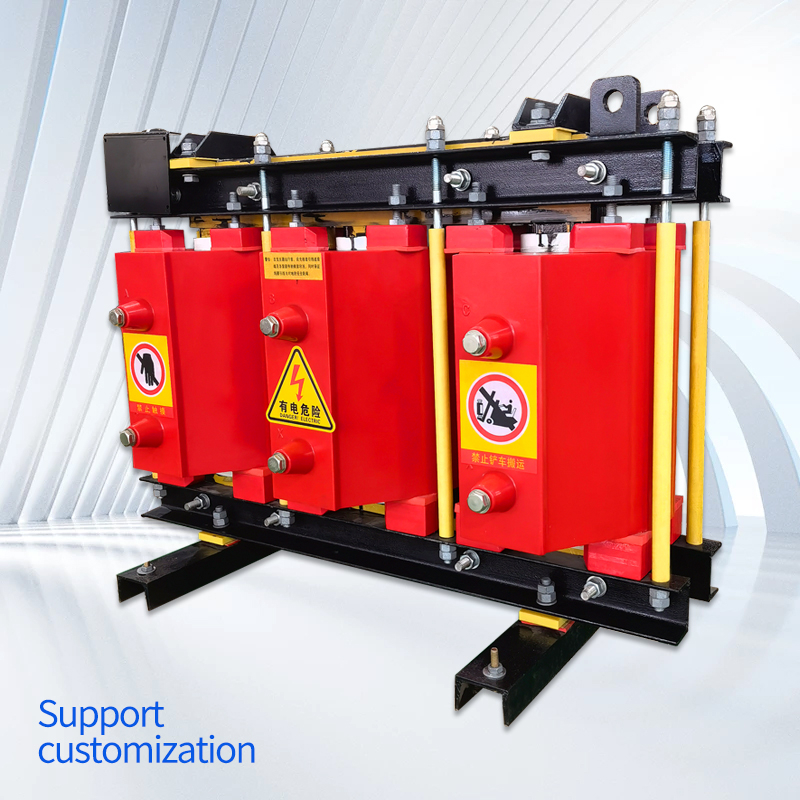
Sntoom, a leader in high-voltage reactor solutions, offers a range of reactors designed for demanding industrial environments. Their product lineup includes dry-type ironcore reactors, designed to absorb harmonics and reduce inrush current, which helps improve the overall efficiency of power systems.
Key features of Sntoom's reactor products include:
● Customization: Tailored solutions to meet voltage, current, and capacity requirements.
● Energy Efficiency: Designed to minimize energy loss and improve the stability of power systems.
● Durability: Built to endure harsh industrial conditions, ensuring reliable operation in power grids and industrial plants.
These reactors are especially useful in high-voltage power systems, ensuring that electrical grids remain stable and efficient in the face of variable loads and potential system failures.
Reactors are designed to perform specific tasks: whether it’s regulating power, facilitating chemical reactions, or harnessing nuclear energy. Each reactor type operates on different principles, but all work toward converting, controlling, or reacting materials to achieve a desired outcome.
● Electrical Reactors: These operate using the principle of inductance, where a current flows through coils, creating a magnetic field. This magnetic field opposes changes in the current, allowing reactors to limit or control the flow of electricity.
● Chemical Reactors: In these, chemical reactions occur under controlled conditions of temperature, pressure, and agitation. The primary goal is to enable the transformation of raw materials into desired chemical products.
● Nuclear Reactors: These reactors harness the energy released from nuclear fission, where atoms like uranium split into smaller parts, releasing vast amounts of heat used to generate electricity.
Each reactor type plays a vital role in its respective field, and understanding how they work is key to optimizing their performance.
Electrical reactors, often found in power systems, rely on inductance to regulate the flow of current. When current flows through a conductor in a reactor, it generates a magnetic field. This field then induces a voltage that opposes any changes in the current, providing a stable energy flow.
Sntoom’s CKSC Series Dry-Type Ironcore High-Voltage Reactors are specifically designed to absorb harmonics, reduce inrush current, and improve overall power quality. These reactors are particularly useful in high-voltage systems, where they help stabilize the power grid and optimize energy efficiency by controlling the flow of reactive power. Their key benefits include:
● Harmonic Absorption: Reducing unwanted frequencies in the system.
● Current Limitation: Preventing sudden surges that could damage equipment.
● Improved Power Quality: Ensuring stable and reliable electricity.
Nuclear reactors rely on nuclear fission to generate heat, which is then used to produce electricity. Fission occurs when uranium atoms are split into smaller fragments, releasing energy in the form of heat. This heat is absorbed by a coolant, which then generates steam to drive turbines for electricity generation.
In modern reactors, several key components help control this reaction:
● Control Rods: Inserted or withdrawn to regulate the fission rate.
● Moderators: Substances like graphite or water slow down neutrons, ensuring that fission continues at a steady rate.
● Coolants: Typically water or gas, they absorb and transfer the heat produced during fission.
For example, Pressurized Water Reactors (PWR) and Boiling Water Reactors (BWR) are two types of nuclear reactors. Both types are designed to manage heat generation efficiently, but they use different methods to convert that heat into electricity.
In chemical reactors, raw materials are transformed into products through chemical reactions. These reactors often operate under specific conditions of temperature, pressure, and sometimes with catalysts to speed up reactions.
Batch and Continuous Chemical Reactors are two common types:
● Batch Reactors: Reactants are added at the beginning, and the reaction proceeds to completion before the products are removed.
● Continuous Reactors: Reactants are fed in continuously, and products are removed at a constant rate, allowing for a steady process.
Sntoom's reactors play an important role in industrial chemical processes, particularly in heavy industries like oil and gas. By maintaining stable reaction conditions, they help optimize production and reduce energy consumption.
These reactors ensure that reactions proceed at the desired rates, transforming raw materials into valuable products safely and efficiently.
Reactors come in various forms, each suited to specific tasks in energy production, industrial processes, and chemical manufacturing. Understanding the different types of reactors and their working principles is crucial to maximizing their effectiveness in various applications.
Electrical reactors are essential in energy systems to regulate and stabilize electrical currents. They work on the principle of inductance, where a magnetic field is created as electrical current flows through coils. This magnetic field opposes changes in the current, allowing reactors to limit current surges, stabilize voltage, and smooth power fluctuations.
● Series Reactors: These reactors are connected in series with power circuits to limit short-circuit currents and stabilize the system during disturbances.
● Shunt Reactors: Connected in parallel with the system, shunt reactors help absorb reactive power and maintain the voltage levels in high-voltage transmission lines.
Sntoom's Electrical Reactors are specifically designed for high-voltage grids, where they help:
● Balance load distribution across multiple phases.
● Smooth voltage waveform distortions, ensuring a stable and efficient energy supply.
● Improve power quality by absorbing harmonics and minimizing inrush current, thus optimizing energy consumption in complex grids.
Nuclear reactors use the principle of nuclear fission to generate heat, which is then converted into electricity. In fission, heavy atoms like uranium are split into smaller parts, releasing vast amounts of energy.
● Pressurized Water Reactors (PWR): These reactors use water under high pressure to transfer heat from the reactor core to a secondary water loop, which generates steam to power turbines.
● Boiling Water Reactors (BWR): Here, the reactor core directly heats water, turning it into steam that drives the turbine. BWRs tend to be simpler in design compared to PWRs.
Modern nuclear reactors are equipped with advanced safety features, such as control rods, moderators, and cooling systems to ensure safe and efficient operation. Sntoom's reactors, while not directly involved in nuclear fission, contribute to the energy system by stabilizing high-voltage grids, indirectly benefiting nuclear power plants by ensuring reliable power distribution and smooth system operation.
Chemical reactors are used to facilitate chemical reactions under controlled conditions, such as temperature, pressure, and mixing speed. These reactors are essential in producing chemicals, pharmaceuticals, and materials.
● Batch Reactors: In these reactors, reactants are added at the start, and the reaction occurs over time. Once complete, products are removed, and the process starts again.
● Continuous Reactors: These allow for continuous feed of reactants and removal of products, making them suitable for large-scale production.
Factors like heat control, pressure regulation, and proper mixing are critical to ensuring that reactions proceed efficiently. In industries like oil and gas, Sntoom’s reactors play a vital role in stabilizing reaction conditions, enhancing process efficiency, and reducing energy consumption.
Reactor Type | Key Features | Common Applications |
Electrical Reactors | Stabilize voltage, limit current surges, improve power quality | High-voltage grids, energy distribution systems |
Nuclear Reactors | Generate heat through nuclear fission, generate electricity | Power plants, large-scale electricity production |
Chemical Reactors | Control temperature, pressure, and mixing for reactions | Chemical manufacturing, pharmaceuticals, oil refining |
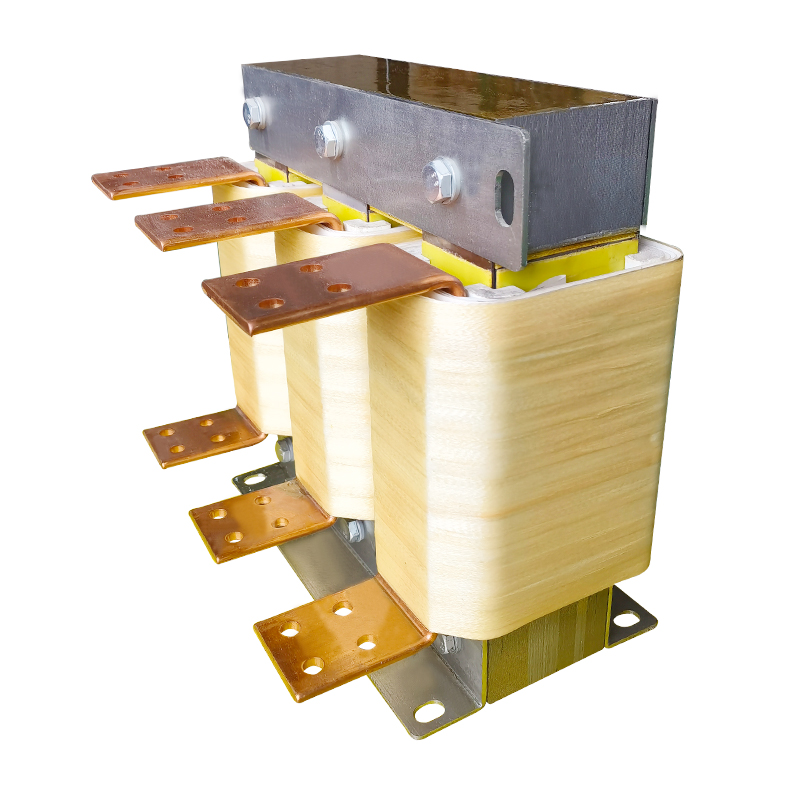
Reactors are pivotal in maintaining the stability and reliability of power grids, which are crucial for consistent electricity generation. Their role extends beyond conventional power systems, reaching into renewable energy solutions and heavy industrial applications where energy efficiency is paramount.
In power systems, reactors help manage and stabilize electrical flows. They prevent sudden fluctuations and surges in current, which could damage equipment or lead to power failures. By controlling reactive power and regulating voltage, reactors ensure that electricity is delivered smoothly and efficiently, regardless of demand or supply changes.
For instance, Sntoom's three-phase reactors play a critical role in high-voltage grids, reducing harmonic distortions and stabilizing voltage across multiple phases. This ensures uninterrupted power supply, essential for both commercial and residential users.
As renewable energy sources like solar, wind, and hydropower become more prevalent, the demand for reactors has grown. Renewable systems are inherently variable, meaning they can generate surges or drops in power. Reactors help smooth these fluctuations, ensuring a stable and reliable energy output.
Sntoom's three-phase reactors are designed to:
● Minimize current surges, which can damage sensitive equipment in solar and wind farms.
● Reduce harmonic distortion, which is common in renewable energy systems, leading to cleaner and more efficient energy.
● Improve the efficiency of energy transmission in renewable power plants by stabilizing voltage and controlling reactive power.
The adaptability of reactors in these systems helps integrate renewable energy sources seamlessly into existing power grids, supporting the transition to a more sustainable energy future.
In industries like oil, gas, and mining, reactors are essential for optimizing energy use and protecting valuable equipment. These industries often involve harsh conditions and high energy consumption, where maintaining system stability is critical.
Reactors serve multiple purposes in these sectors, including:
● Limiting inrush currents when starting large motors or machinery, protecting equipment from potential damage.
● Reducing reactive power to optimize energy consumption, which lowers operational costs.
● Ensuring continuous operation by maintaining stable voltage and minimizing energy waste.
Sntoom's reactors are well-suited for these heavy industries, where their ability to manage high-voltage systems and improve energy efficiency is crucial for operational success.
Reactor Type | Key Role | Application Areas |
Electrical Reactors | Stabilize voltage, limit current surges | Power grids, renewable energy systems |
Nuclear Reactors | Generate electricity through fission | Large-scale electricity production |
Chemical Reactors | Facilitate chemical reactions, control conditions | Oil, gas, mining, and manufacturing |
Understanding the working principle of reactors is crucial across industries. Reactors ensure efficient energy use, improve safety, and support sustainability. They are essential in power grids, chemical processes, and heavy industries.
Explore specific reactor types based on your needs. Sntoom's range of reactors offers reliable, customizable solutions for modern power and industrial systems.